
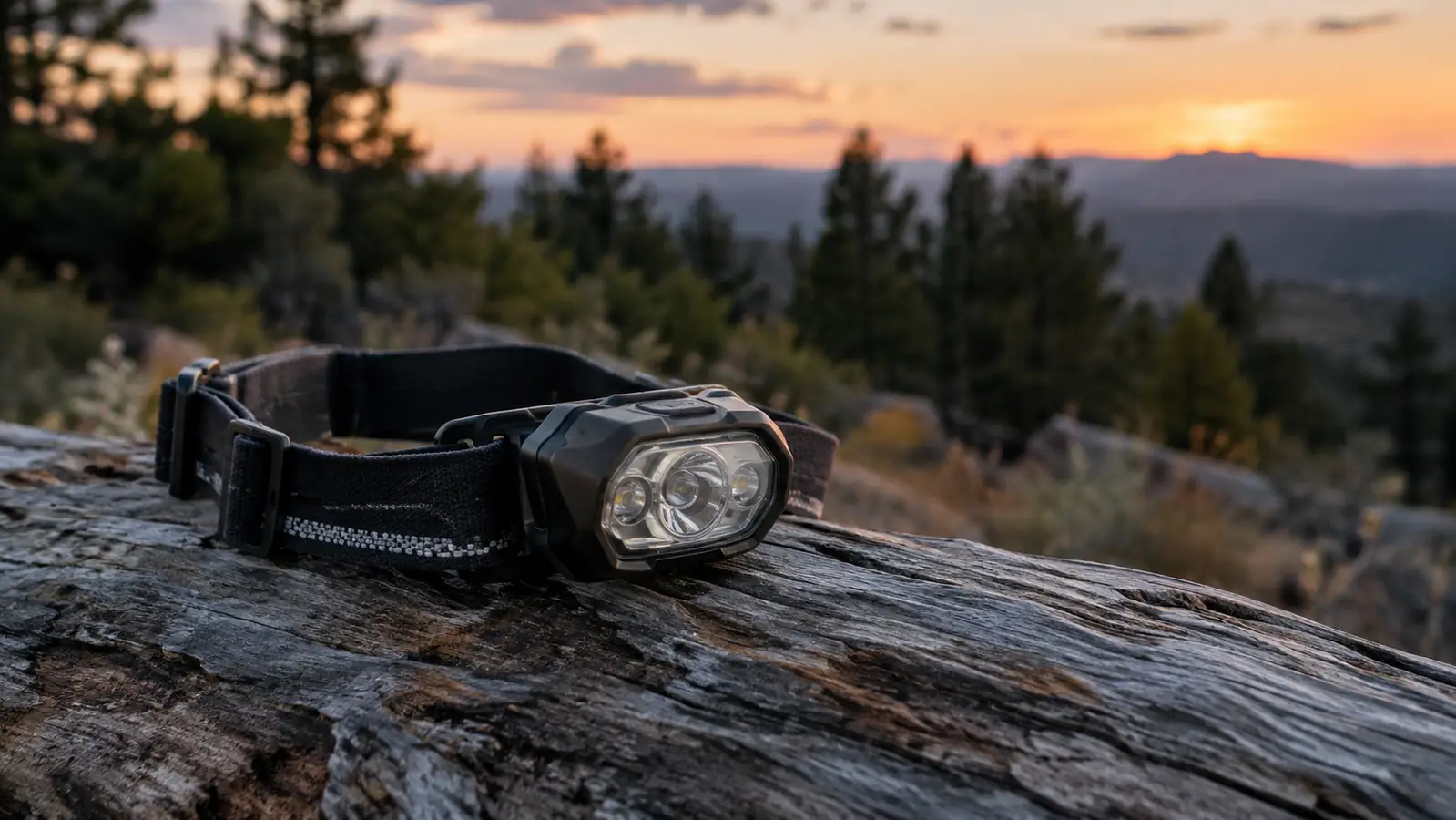
I've carried a lot of headlamps in twenty-plus years of search and rescue, and the question I get most often is simple: should I buy the Coast XPH30R or the Energizer PRO-400? I spent a season testing both in the Cascades and the high desert outside Bend, and the honest answer is that they're built for different people. If you want one lamp that does everything from camp chores to trail finding, the Coast XPH30R is the one I reach for. If you want a cheap, simple light that lives in a glovebox and you never think about again, the Energizer PRO-400 has a place too.
Here's the short version: the Coast XPH30R is a rechargeable 1200-lumen headlamp with a twist focus beam, a magnetic base, and a USB-C port. The Energizer PRO-400 is a 400-lumen battery-powered headlamp that runs on three AAA batteries. One is a tool you'll use every week. The other is a backup you'll forget until you need it. Both are good at what they do. The mistake is buying the wrong one for your habits.
I ran them side by side on the same trips, same trails, same weather. From a wet October weekend in the Cascades to a clear, cold December night in the high desert, I used both on the same evenings, swapping them back and forth so the comparison was fair. I charged the Coast the way I charge my phone, and I kept a spare set of AAAs in the glovebox for the Energizer. I also handed both lamps to my wife Joanne and to one of our grown kids for a second opinion on comfort and ease of use. What follows is what I learned on the ground, not what the spec sheets say.
| Coast XPH30R | Energizer PRO-400 | |
|---|---|---|
| Brightness | 1200 lumens on high, with a twist focus that goes from wide flood to tight spot | 400 lumens on high, fixed beam, no focus adjustment |
| Power source | Built-in rechargeable battery, USB-C charging, no batteries to buy | Three AAA batteries, easy to find anywhere, but you keep buying them |
| Weight | 4.37 ounces, noticeable but balanced on the forehead | Lighter on paper, but the battery carrier on the back of the strap balances it differently |
| Beam control | Twist focus from flood to spot, useful for reading maps and scanning treelines | Fixed beam, what you see is what you get |
| Extra features | Magnetic base, so you can stick it to a car hood or a steel post and use it as a work light | No magnetic base, no extra features |
| Best for | Campers, hikers, mechanics, anyone who uses a headlamp as a daily tool | Emergency kits, gloveboxes, kids, anyone who wants a light that just works |
Where the Coast XPH30R Wins
The Coast XPH30R wins on brightness, and it's not close. On high, it throws 1200 lumens, which is enough to light up a trail junction a hundred yards out or to see what's making noise at the edge of camp. The twist focus is the feature I didn't expect to care about. In flood mode, it lights up the whole tent or the inside of a car engine bay. Twist it to spot, and you can read a map without waking your partner or scan a ridgeline for a lost hiker. That range of adjustment is what makes it a tool instead of just a light. The first night I used the focus ring for real was a training exercise in early October. We were searching a drainage off the Deschutes River, and I needed to read a topo map without flooding the whole area with light. A quarter turn to spot, and I had a tight beam that lit the map and nothing else. A quarter turn back to flood, and the whole team could see the trail ahead. No other headlamp I've used does both with one hand, in the rain, while wearing gloves.
The magnetic base is another thing that sounds like a gimmick until you use it. I've stuck the Coast XPH30R to the hood of my 4Runner while changing a tire in the dark, to a steel post while sorting gear, and to the side of a metal cabinet while working on the home emergency kit in the garage. It turns the headlamp into a hands-free work light, which is worth a lot when you're alone in the dark with a wrench in one hand and a flashlight in the other. The USB-C charging means I charge it the same way I charge my phone, and I never have to keep a stash of AAA batteries around. That magnetic base saved me one night in November when a tire on the 4Runner went soft on a dirt road east of Bend. I stuck the Coast to the fender, set it to flood, and had both hands free to work the lug wrench. The whole job took maybe twenty minutes, and the lamp never moved. With a standard headlamp I would have been holding the light in my teeth or propping it on a rock. The charging has been just as painless. I plug it in when I charge my phone, and in six months I have never once reached for it and found it dead.
The Coast XPH30R also holds up to real weather. I wore it through a wet October weekend in the Cascades, rain most of the day, and it never flickered. The twist focus mechanism stayed smooth even after being packed wet. The strap is wide enough that it doesn't dig in on a long night hike. It's the headlamp I grab when I know I'll be out after dark and I want to see everything. The coldest test came in December, when the temperature dropped to single digits during a night of camp chores in the high desert. The battery indicator still showed plenty of charge in the morning, and the beam didn't dim or flicker in the cold. I've also dropped it on packed gravel twice, and the housing has nothing more than a scuff to show for it. I can't promise it's indestructible, but it has taken everything I've thrown at it in two seasons and kept working.
Battery life is where the Coast surprises people. I charged it once before a three-day trip in the Deschutes National Forest, and it covered two evenings of camp chores, a predawn start, and a night of reading in the tent before I plugged it in again. I didn't run high the whole time, but that's the point. You buy a rechargeable lamp so you can stop rationing light. When I only needed to find my boots at 2 a.m., I could leave it on medium without worrying about burning through a battery I couldn't replace until I got home.

Where the Energizer PRO-400 Wins
I'm not going to pretend the Energizer PRO-400 is a better headlamp. It isn't. But it wins in two places that matter more than specs: price and simplicity. It runs on three AAA batteries, which you can buy at any gas station in America. If the battery dies on day three of a trip, you don't need a wall outlet or a power bank. You need a convenience store. That's a real advantage when you're helping a neighbor during a winter storm and the power is out for a week. I saw exactly that play out in December, when an ice storm took the power out on our road for the better part of two days. A neighbor needed light to check a sump pump, and the Energizer went from the door pocket of my 4Runner to his hands in about thirty seconds. When those batteries finally died a week later, he replaced them at the hardware store in town. No charger, no cable, no waiting. For a light that lives in a vehicle or a drawer, that is the whole job.
The Energizer PRO-400 is also lighter in the hand and simpler to operate. There's no focus ring to fiddle with, no charging cable to remember, no battery level to check. You click it on, you click it off. For a kid's first headlamp, for a glovebox emergency light, or for someone who just wants a light that works without thinking, that simplicity is the whole point. I keep one in the door pocket of my 4Runner, and I've used it exactly twice in two seasons. Both times, it did the job without complaint. The first time was a flat tire on a friend's truck outside Sisters. The second was a late-night search for a dropped key in the gravel beside the garage. In both cases I grabbed the Energizer because it was already there, and it lit what I needed to see without any thought. There is real value in a light you don't have to plan around. The Coast XPH30R asks you to remember to charge it. The Energizer just waits.
The Energizer PRO-400 also wins on weight distribution for some people. The battery carrier sits on the back of the strap, which balances the lamp on your head better than a front-heavy design. For a long night of reading or camp chores, that balance matters. It's not a huge difference, but it's real, and it's the reason I'd hand the Energizer to someone who wears a headlamp for hours at a time rather than someone who needs maximum brightness. My wife Joanne noticed the same thing when she wore both lamps on a weekend trip in October. The Coast sat heavier on her forehead after an hour of camp chores, while the Energizer stayed put without her tightening the strap. She still preferred the Coast's beam when she needed to see across the clearing, but for reading in the tent or washing dishes at the picnic table, she reached for the lighter feel of the Energizer. That tells me the right choice depends on how you wear a headlamp, not just how bright it is.
There's one more thing the Energizer has going for it, and it's the reason I keep recommending it as a backup: it's cheap enough that you can own it without thinking about it. I'm not going to quote numbers here, because they change, but the PRO-400 sits at the budget end of the shelf. That means you can buy one, set it in a drawer, and forget it for a year. If it gets lost, borrowed, or crushed in the bottom of a pack, you replace it without wincing. That is a different job than the Coast does, and it's a legitimate one.
The headlamp I reach for every single trip
After two seasons of wet trails, cold nights, and one memorable tire change in the dark, the Coast XPH30R is the lamp that stays in my pack. Check today's price on Amazon and see if it fits your kit.
Amazon Check Today's Price on Amazon →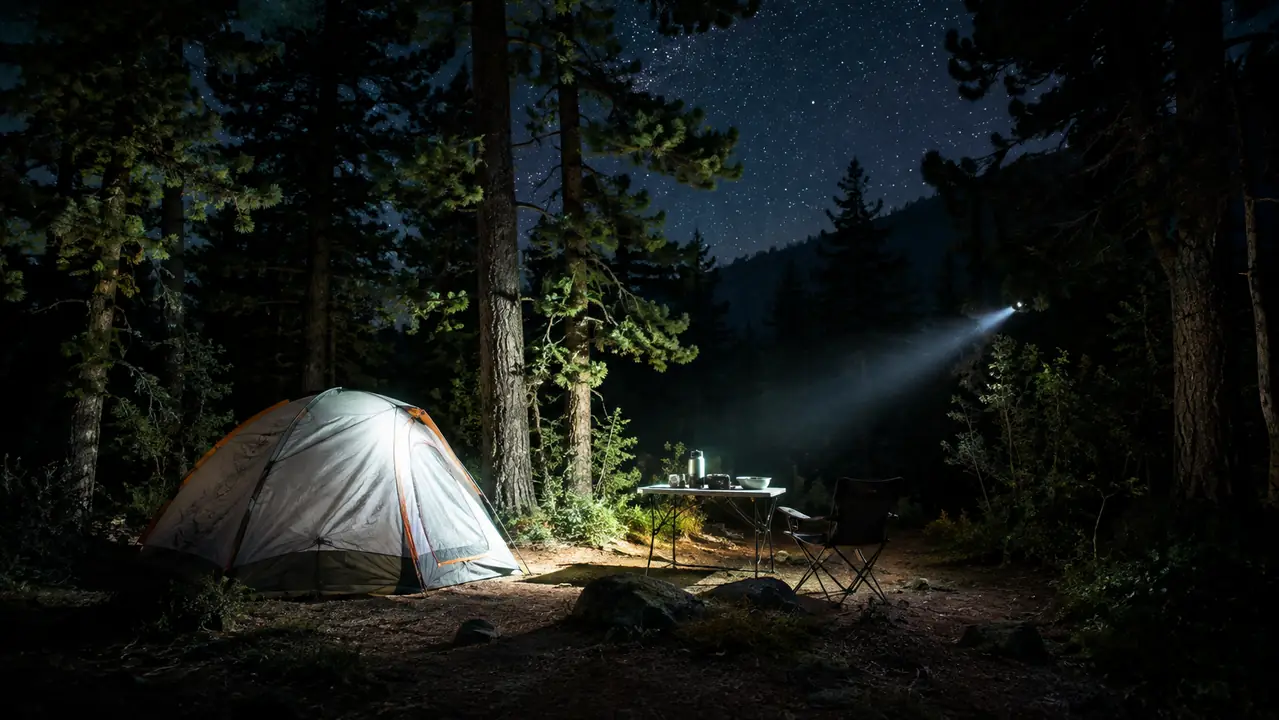
Who Should Buy Which
Buy the Coast XPH30R if you use a headlamp as a tool. If you camp regularly, hike after dark, work on your car, or keep a home emergency kit that you actually rotate and test, the rechargeable battery and the focus beam are worth the extra money. You'll charge it once a month instead of buying batteries every few trips, and you'll have light when you need it most. It's the lamp I carry on every search and rescue training weekend, and it's the one I'd grab if the power went out tonight. I keep mine in the garage with the home emergency kit, and I test it the same day I rotate the water and check the food stores. That habit takes two minutes, and it means the lamp is never a question mark when I need it. On training weekends with the county team, it's the light I reach for when the afternoon briefings run into dark, and more than one teammate has asked about it after watching the beam cut through the trees.
Buy the Energizer PRO-400 if you want a light that lives somewhere and waits. If it's going in a glovebox, a kid's backpack, or a drawer in the mudroom, the AAA batteries and the dead-simple operation are features, not flaws. You won't get 1200 lumens, and you won't get a focus beam, but you also won't have to remember to charge it. For a backup light, that's the right trade. One of our grown kids took the Energizer on a weeklong canoe trip on the John Day River and brought it back with two dead batteries and zero complaints. That is the best review a backup light can get. Nobody thought about it, it never failed, and when it ran dry, a gas station fixed it for pocket change. The Coast XPH30R would have done the job too, but it would have meant remembering the charging cable and finding an outlet.
If you're still torn, here's my honest advice: buy the Coast XPH30R for yourself and the Energizer PRO-400 for the glovebox. That's what I did, and after two seasons, I haven't regretted either purchase. The Coast is the tool I use. The Energizer is the insurance I hope I never need. And if you can only buy one, buy the Coast. A rechargeable lamp with a focus beam covers more of the situations you'll actually face, and it does it for years without consumable batteries. The Energizer is a fine light, and I'll keep recommending it for the right job. But when I'm packing for a weekend in the Cascades or a winter night at home, the Coast XPH30R is the one on my head.
Make the Coast XPH30R your main light
If you're ready to stop guessing in the dark, the Coast XPH30R is the headlamp I trust on every trip. Check today's price on Amazon and add it to your kit.
Amazon Check Today's Price on Amazon →