
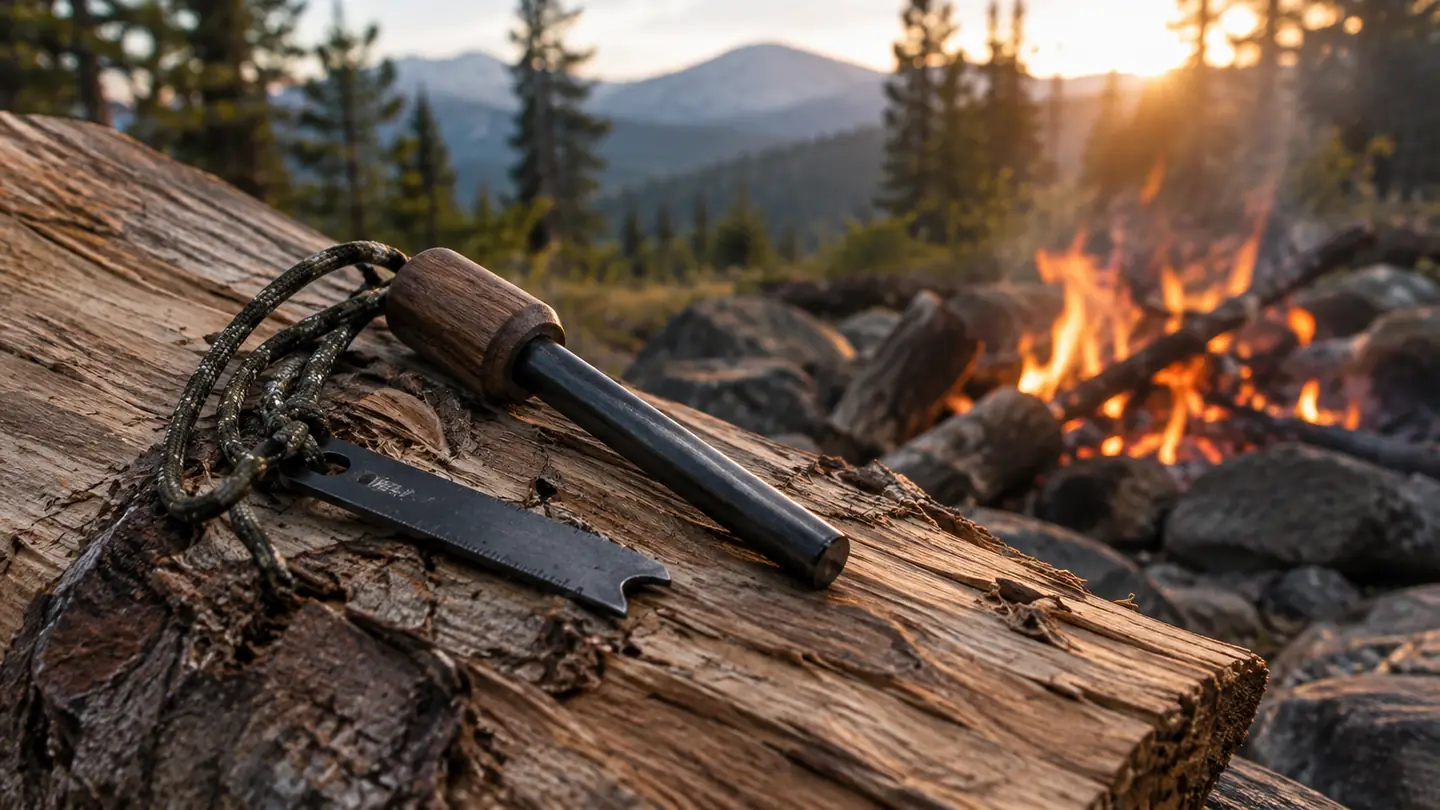
Cold hands change how you judge a fire starter. I learned that years ago on a wet November trip in the Cascades, and I relearned it every time I test gear with the temperature hovering near freezing. When your fingers are stiff and the tinder is damp, the difference between a good ferro rod and a mediocre one stops being a spec sheet argument. It becomes the difference between a fire in four minutes and a fire you never quite get going. That is why I spent a full season comparing the bayite 4 inch ferro rod against the Uberleben Zunden. Both are four inch rods. Both throw hot sparks. Everything else is a series of small tradeoffs that matter more than the marketing photos suggest.
Here is the short answer. For most people, most of the time, the bayite is the better carry. It does the job, it is easy to replace, and it leaves room in your budget for other kit. The Uberleben Zunden is the better tool if you want a thicker rod, a more comfortable grip, and a striker that feels engineered rather than stamped. I carry both on different trips, and I would not call either one a mistake. I would call them two different answers to the same question.
| bayite 4 inch ferro rod | Uberleben Zunden | |
|---|---|---|
| Rod length | 4 inches | 4 inches |
| Rod thickness | Thinner, lighter, easier to swing in tight spaces | Noticeably thicker, throws a heavier shower of sparks |
| Grip | Bare rod with a drilled lanyard hole, add your own wrap | Molded grip that sits well in a gloved hand |
| Striker | Included flat striker, gets the job done | Included striker is machined, with a better edge and more comfort |
| Spark volume | Solid shower, enough for most tinder | Bigger rod, heavier shower per scrape |
| Ease of use | Lighter, easier to control, works well for smaller hands | Needs a firmer scrape, more leverage |
| Lanyard | Drilled hole makes adding cord easy | Has its own lanyard point |
| Value | Costs a fraction, does the real work | Costs more, better feel and materials |
| Best for | Everyday carry, vehicle kits, budget builds | Bushcraft, heavy use, one premium tool |
Where bayite Wins
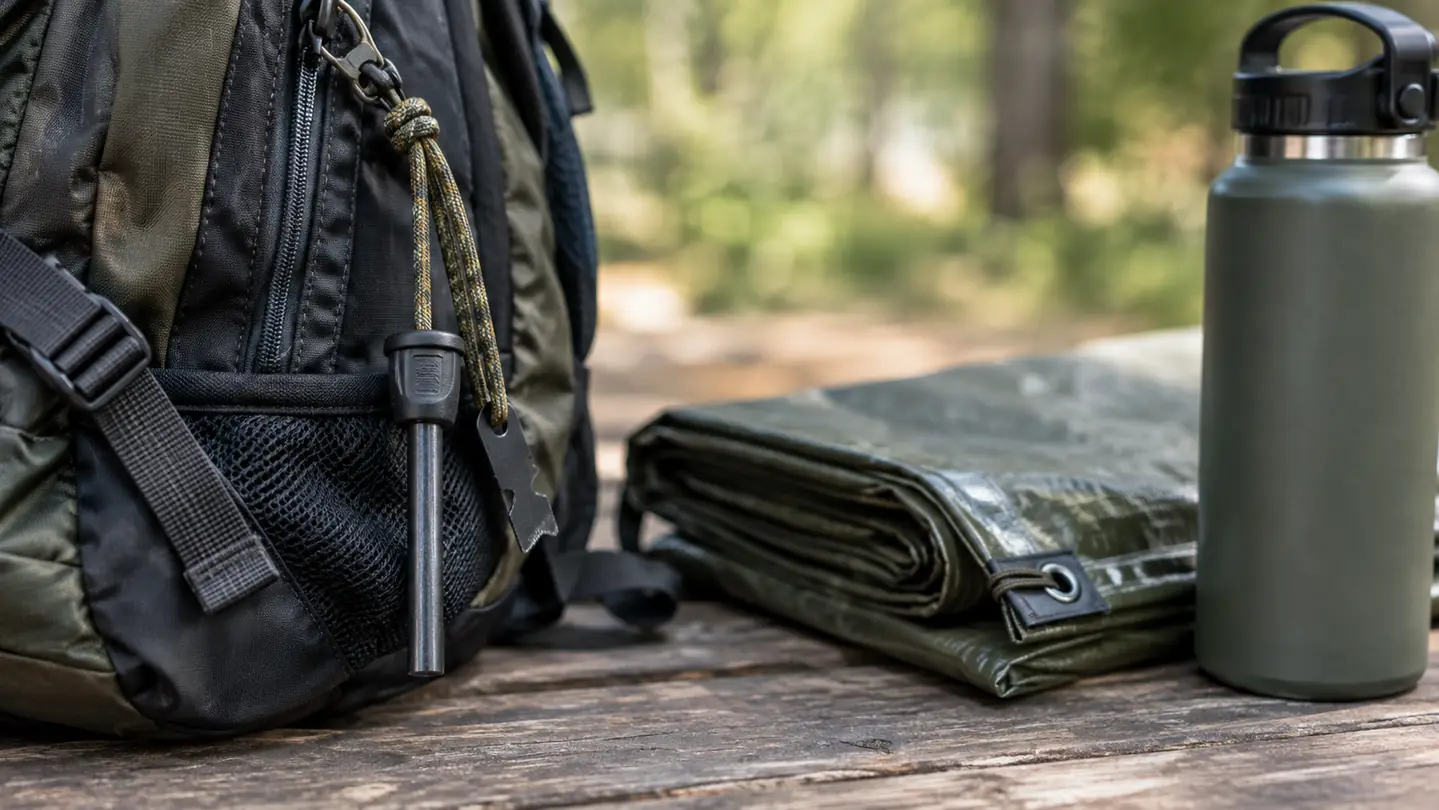
The bayite wins where most people actually live. It is the rod I keep in the door pocket of my 4Runner, because I do not want to lose sleep if it walks off at a trailhead or gets buried under a week of wet firewood. The drilled lanyard hole means I can hang it from a zipper pull, and the included striker works well enough that I have never felt the need to replace it. In a vehicle kit, a day pack, or a kitchen drawer, that combination of light weight and low replacement cost matters more than a premium feel.
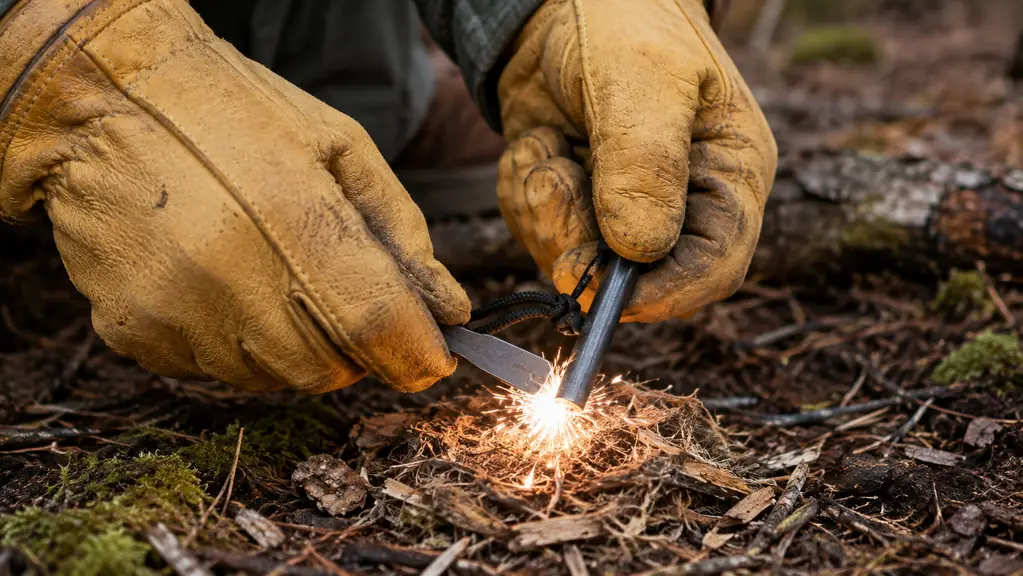
The other place the bayite wins is control. Because the rod is thinner and lighter, I can angle it precisely over a tiny pile of birch bark or a cotton ball. With cold, gloved hands, that control is worth more than a bigger shower of sparks. I have started fires in light rain with the bayite by shaving a small pile of ferro shavings first, then striking a single heavy spark into the pile. It takes a little patience, but it works every time.
None of that means the bayite is fancy. It is not. It is a straightforward rod with a striker and a hole in the end, and that is exactly why it works in a glove box. Simple tools get used. Fancy tools get saved for the right moment and then sit in a drawer.
Where Uberleben Zunden Wins
The Zunden wins where the task is harder and the tool needs to feel like part of your hand. The thicker rod throws a heavier shower of sparks with each scrape, which helps when your tinder is marginal and you cannot afford to be precious about placement. The grip is the biggest difference. The bayite is a bare rod. The Zunden gives your hand something to hold, and that matters when your fingers are numb and you are scraping downward with your whole arm instead of a delicate wrist motion.
The striker is also a real upgrade. The bayite striker works, but the Zunden striker has a better edge and sits more comfortably in the hand. That sounds like a small thing until you have scraped fifty times on a cold evening. I also think the Zunden is the better choice for a class or a kit that gets passed around, because the thicker rod and better grip forgive bad technique. If I were teaching someone to start a fire with a ferro rod, I would hand them the Zunden first.
That extra margin is real, but it is not magic. The Zunden still needs dry shavings, a good scrape, and a little patience. What it gives you is room for error. On a night when everything is going wrong, that room is worth the extra cost. On a normal trip, you will not notice the difference until you switch back.
The rod most people should carry
The bayite 4 inch ferro rod is the one I reach for first on most trips. It is light, easy to control, and the drilled lanyard hole makes it simple to keep on a pack or keychain.
Amazon Check Today's Price on Amazon →Who Should Buy Which
Buy the bayite if you want one rod that lives in your pack, your truck, or your kitchen without much thought. Buy it if you are putting together your first kit, if you lose gear, or if you would rather spend your money on a good knife and a decent tarp. Buy the Zunden if you want a tool you will notice every time you use it, if you teach firecraft, or if you spend long weekends in conditions where a heavier spark shower and a better grip earn their keep.
Neither choice will leave you cold. The right choice is the one that fits how you actually camp, not how you imagine camping. If you mostly car camp with a full trunk of gear, the bayite is plenty. If you backpack in wet weather and every ounce has to earn its place, the Zunden is a reasonable splurge. I say splurge because it costs more, not because it is the only rod that works.
How I Carry Each One
The bayite lives in the door pocket of my 4Runner most of the year. It rides loose with a folding saw, a headlamp, and a small tin of tinder, and I have never once worried about it. The drilled hole means I can clip it to a pack strap when I am hiking, but most days it stays in the truck. That is the kind of tool the bayite is. It does not need a dedicated spot. It just needs to be there when the weather turns.
The Zunden rides in my pack when I am teaching a firecraft class or heading into the backcountry for a few days. I wrap the striker in a small piece of cloth so it does not rattle, and I hang the rod from the outside of my pack where I can reach it without digging. That is the difference in how I treat them. The bayite is a tool I keep close. The Zunden is a tool I save for trips where I expect to work for my fire.
How I Tested Both
I tested both rods over twelve trips in the Cascades and the high desert, from a wet spring weekend near Santiam Pass to a dry August overnighter east of Bend. I used each rod at least a dozen times, always with the same rule: no shortcuts. I gathered whatever tinder was around, processed it the way I would on a real trip, and timed how long it took from first scrape to a flame that would take a small twig. I also tested with gloves on and off, in light rain, and once with hands so cold I could barely feel the rod.
That is the testing that matters for a fire starter. A ferro rod does not fail on a sunny afternoon in the garage. It fails on the third day of rain when your hands are stiff and the only dry tinder is the stuff you shaved off the rod itself. Both rods passed that test. The bayite passed it with patience. The Zunden passed it with a little more margin.
I also paid attention to how each rod felt after a season of use. The bayite still throws sparks, though the coating on the striker has worn in a few places. The Zunden still looks close to new. Neither rod has failed me. The bayite has been treated like a tool. The Zunden has been treated like a tool too. One of them just shows the miles more than the other.
What Surprised Me
Two things surprised me. The first is how small the practical gap is between a rod that costs a little and a rod that costs a lot. Once both were working, the fire did not care which rod started it. The second is how much the grip matters. I expected the thicker rod to make the biggest difference. It did not. The grip did.
That changed how I think about recommendations. Spec sheets tell you about diameter and spark output. Real use tells you about grip, angle, and how the rod behaves when your hands are cold. The bayite does everything a ferro rod should do. The Zunden does it with more comfort. For a tool you might use for thirty seconds in an emergency, comfort sounds minor. For a tool you practice with on a regular basis, comfort is the whole story.
On a cold night, a tool that stays put in your hand is worth more than an extra quarter inch of rod.
What to Look For in a Ferro Rod
After a season of carrying both, I have a short list of what actually matters in a ferro rod. Diameter matters because it controls how many sparks you get per scrape. Grip matters because a rod that twists in your hand wastes energy. Striker quality matters because you will scrape more than you think. Lanyard hole matters because a rod you can hang is a rod you will not lose. Everything else is packaging.
The bayite covers the basics. It has a good diameter for everyday use, a drilled lanyard hole, and a striker that works. The Zunden covers the same basics and then adds a better grip and a better striker. That is the entire difference between them. One stops at good enough. The other keeps going until the tool feels finished. Whether that difference is worth the extra money depends on how often you plan to use it.
I have also learned to ignore a few things. Bright packaging does not make sparks. A fancy name does not make a fire. What matters is whether the rod throws a consistent shower when you need it, whether you can hold it with cold hands, and whether you will actually carry it. The best fire starter in the world is useless in a drawer.
The Bottom Line
Carry the bayite if you want a dependable rod that does not ask for special treatment. Carry the Zunden if you want a premium tool that feels better in the hand and throws a heavier spark. Both will start a fire. The bayite will do it for less money and with less fuss. The Zunden will do it with more comfort and more margin. That is the whole tradeoff, and it is an honest one.
If I could only keep one, I would keep the bayite. That is not a knock on the Zunden. It is a statement about how I camp. I value a rod I can replace without a second thought, and I have never needed the extra margin the Zunden offers. Your answer may be different. That is what makes this a fair comparison instead of a clear winner.
Start with the bayite, upgrade later if you need to
For a first rod, a vehicle kit, or a pack that sees regular use, the bayite does the job at a fraction of the cost. That is the rod I would buy again.
Amazon Check Today's Price on Amazon →